
Vehicle Tracking System Guide for Real Control
- leadingsecurafrica
- Jul 4
- 6 min read
A stolen vehicle is expensive. A vehicle that is misused every day can cost even more. That is why a vehicle tracking system guide should start with one simple point: tracking is not just about seeing a dot on a map. It is about control, accountability, and protection for the asset you depend on.
For a private owner, that may mean knowing where your car is at all times and getting an alert if the ignition is turned on unexpectedly. For a fleet operator, it means seeing route activity, reducing fuel waste, checking driver behavior, and responding quickly when something goes wrong. The right system gives you visibility in real time and evidence afterward.
What a vehicle tracking system actually does
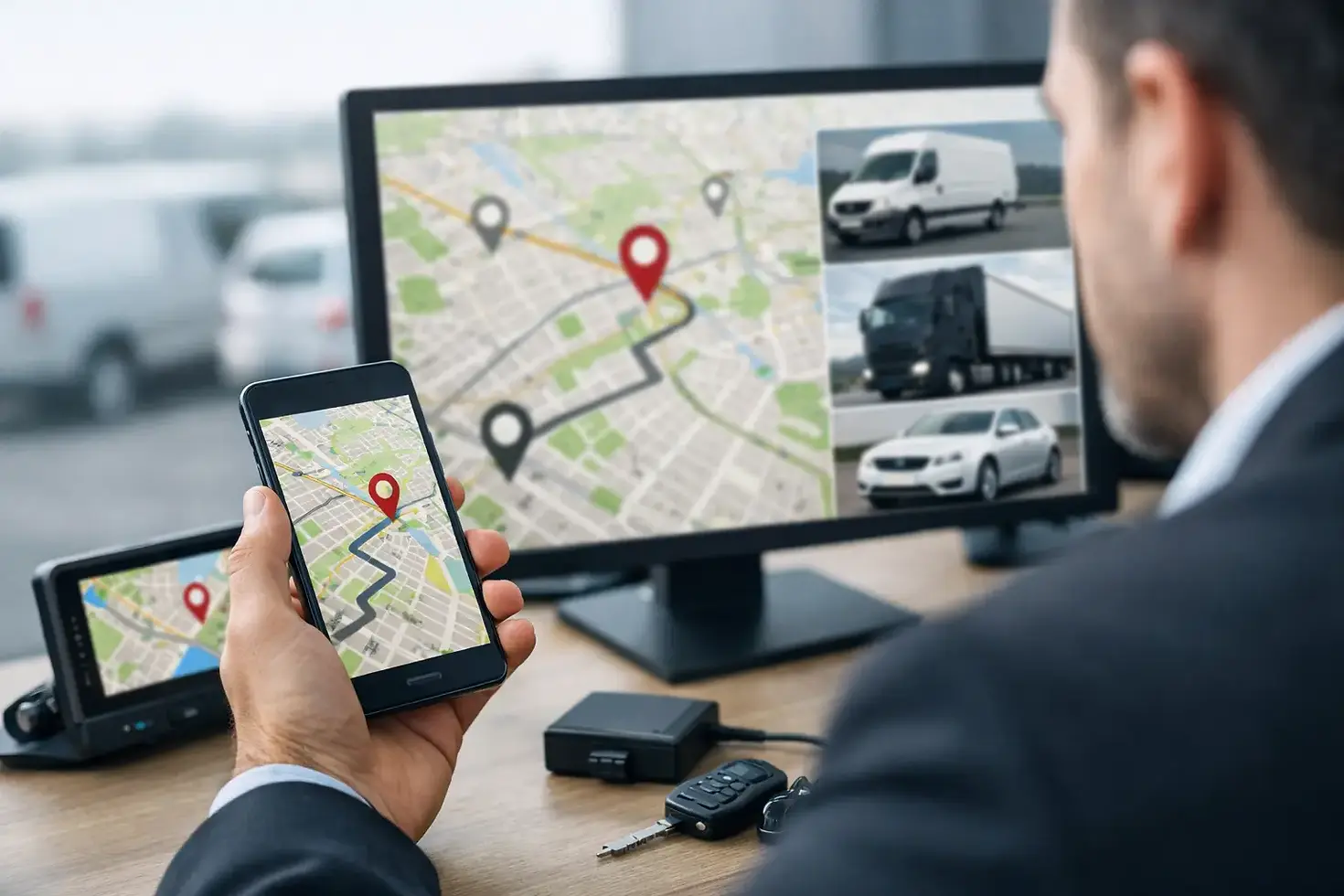
A vehicle tracking system uses installed hardware and software to report a vehicle's location, movement, and activity. The hardware is fitted inside the vehicle, and the platform displays data through a dashboard or mobile interface. Most people begin with location tracking, but the real value usually comes from the extra layers around it.
A strong setup can show live position, trip history, stop time, speeding events, ignition status, and route playback. Depending on the system, it can also support fuel monitoring, immobilizer control, dash cam integration, and restricted driver access tools such as iButton identification. That matters because location alone tells you where the vehicle went. A better system tells you what happened, who used it, and whether it was used properly.
Why vehicle tracking matters for owners and fleets
If you manage one car, your priority may be theft recovery and peace of mind. If you manage twenty vehicles, your priorities usually expand fast. You need to know whether vehicles are following assigned routes, whether they are idling too long, whether fuel consumption matches the work being done, and whether drivers are operating responsibly.
This is where many buyers make a costly mistake. They choose the cheapest device available and expect meaningful oversight. In practice, low-grade tracking often means delayed updates, inconsistent signal quality, weak reporting, and no support when the system stops working. A tracking system should help you act, not just observe.
For businesses, that difference affects daily operating costs. Poor route discipline increases mileage. Excess idling increases fuel burn. Unverified trips create room for misuse. Weak security leaves vehicles exposed after business hours. A proper system closes those gaps by turning vehicle activity into usable management data.
Vehicle tracking system guide: the features that matter most
Not every user needs every feature, but some functions are worth treating as essential.
Real-time tracking is the baseline. You should be able to see current location clearly and check whether a vehicle is moving, parked, or offline. Fast and reliable updates matter more than flashy maps.
Trip history and route playback are just as important. When a customer questions a delivery, when a manager wants to verify movement, or when a vehicle enters an unauthorized area, historical playback gives you proof. It replaces guesswork with records.
Ignition alerts add a strong layer of security. If a vehicle starts at an unusual hour or from an unexpected location, the alert gives you time to respond early instead of discovering the issue later.
Geofencing is especially useful for companies. You can define approved zones and receive alerts when vehicles enter or leave them. This is practical for depot control, delivery boundaries, and after-hours movement detection.
Fuel monitoring becomes valuable when fuel costs are high or losses are difficult to trace. It helps compare consumption against routes, travel time, and vehicle behavior. This is not always necessary for a private owner, but for active commercial fleets it can quickly become one of the most important reporting tools.
Immobilizer capability is another feature that deserves careful attention. A system that supports controlled engine disabling or access restriction can significantly improve vehicle protection. It is not something to use casually, and it should be set up with proper safeguards, but for theft prevention it adds a level of control that standard tracking alone does not provide.
Choosing the right system for your situation
The best system depends on how the vehicle is used. A private owner usually benefits from a security-first setup with live tracking, tamper awareness, ignition alerts, and immobilizer support. The goal is simple: protect the vehicle and respond quickly if anything unusual happens.
A business fleet needs more than that. In addition to security, it needs operational oversight. Route analysis, driver behavior monitoring, stop-duration reporting, fuel data, and centralized dashboards become more important because they affect cost, service quality, and internal accountability.
There is also a difference between short-term visibility and long-term management. Some buyers only want to know where the vehicle is. Others need records they can use to coach drivers, validate field activity, or investigate incidents. Be honest about which category you are in. Buying too little creates blind spots. Buying too much can add cost without improving daily decisions.
Hardware quality and installation are not small details
A tracking system is only as reliable as the hardware installed in the vehicle and the quality of the installation itself. This part is often overlooked, especially by buyers comparing only price.
A badly installed unit can lose power, report inconsistently, or become easy to detect and remove. Weak wiring can create service interruptions or false readings. If fuel monitoring, immobilizers, or dash cams are part of the setup, poor installation can also affect safety and performance.
Professional installation matters because the device must be positioned and connected correctly for stable operation. It should also be fitted in a way that supports security, not just convenience. For many users, especially in markets where theft risk and misuse are real concerns, after-sales support matters almost as much as the initial installation.
What tracking can and cannot solve
Tracking is powerful, but it is not magic. It improves visibility and response. It does not replace management discipline.
For example, a fleet dashboard may show repeated speeding, excessive idling, or route deviations. That data is useful only if someone reviews it and acts on it. The same applies to security alerts. If alerts are ignored, the system becomes a record-keeping tool instead of a protection tool.
There are also practical limits. GPS signal quality can vary by environment. Reporting frequency may differ based on configuration. Fuel data may require calibration and proper interpretation. In other words, good systems still need correct setup and active use.
That is why the strongest results usually come from combining technology with clear internal rules. Decide who receives alerts, who reviews reports, and what action follows specific events. When expectations are clear, the system becomes part of how the vehicle or fleet is controlled every day.
A smarter way to measure value
Many buyers ask the wrong first question: How much does it cost? A better question is: What losses does it help prevent?
A tracking system can reduce theft risk, shorten recovery time, limit unauthorized trips, and expose fuel misuse. It can also improve dispatch decisions, support customer service, and create a record of actual field activity. If you rely on vehicles to generate income, those gains are not minor.
The value is even clearer when you look at patterns over time. A small reduction in idling across several vehicles can produce meaningful fuel savings. Better route discipline can reduce wear and unnecessary mileage. Fewer unauthorized trips can improve both cost control and trust inside the organization.
This is where a provider with practical security and fleet experience stands apart. Leading Secure Africa, for example, positions tracking as part of a wider control system, combining live visibility with immobilizer options, fuel oversight, and tools that help owners and operators stay in charge of how vehicles are accessed and used.
How to know you are ready to invest
You are ready for a tracking system if losing sight of a vehicle creates risk, delay, cost, or stress. You are ready if you have ever questioned where a vehicle went, how fuel was used, whether a driver followed instructions, or how quickly you could respond to theft.
You are also ready if your current setup depends too much on phone calls and assumptions. Tracking replaces verbal updates with verified movement data. That alone can improve confidence and reduce day-to-day friction.
The right vehicle tracking system is not only about monitoring. It is about putting the vehicle back under your control, whether you own one car or manage a working fleet. Choose a system that fits how you actually operate, insist on proper installation, and use the data to make decisions while they still matter.


Comments