
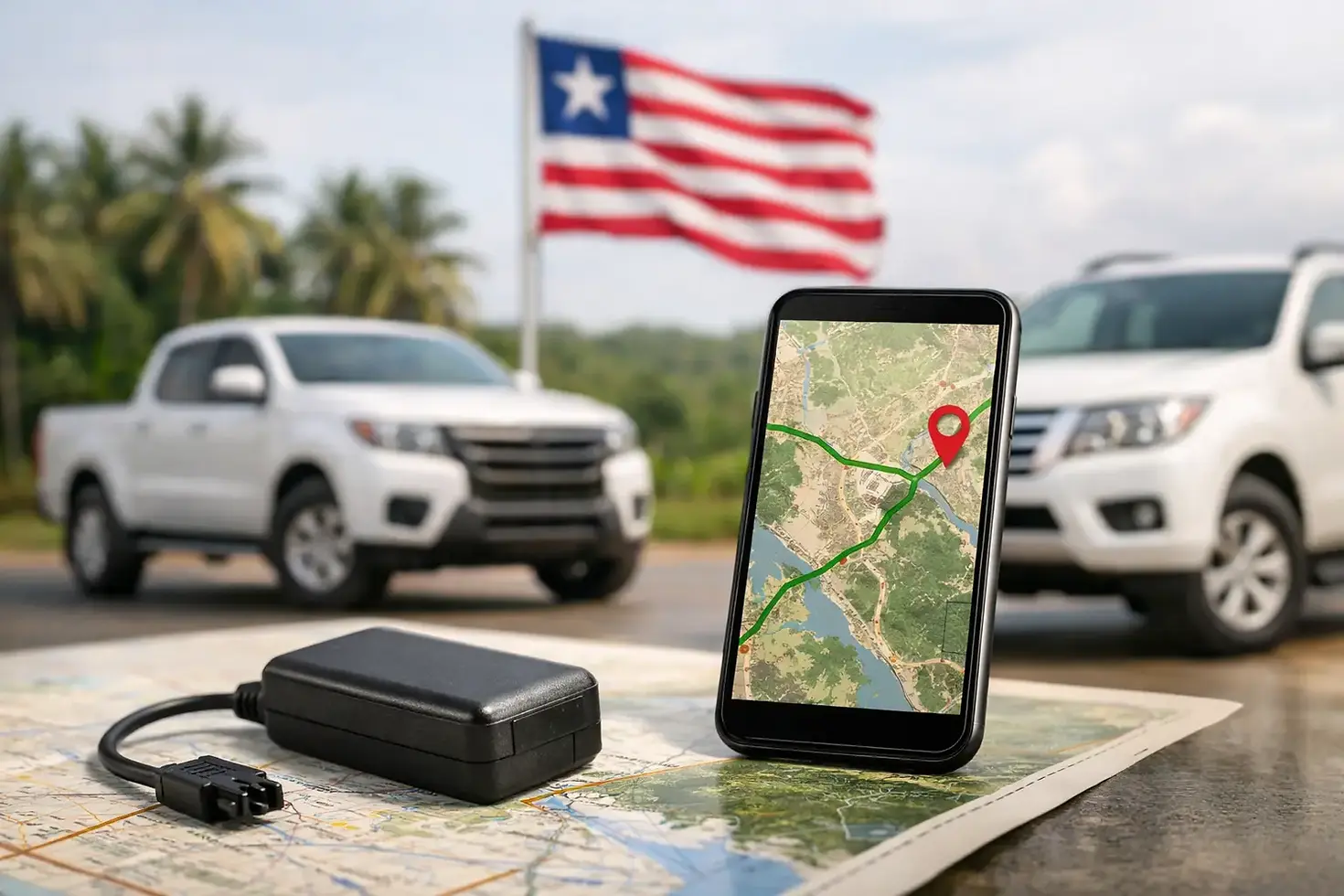
Best Vehicle Tracking Devices in Liberia
- leadingsecurafrica
- 1 day ago
- 6 min read
A vehicle that leaves your gate without your knowledge can create an immediate security problem, a missed delivery, or an expensive loss. When comparing the best vehicle tracking devices Liberia businesses and private owners can install, the right choice is not simply the unit with a location pin on a map. It is the system that gives you reliable real-time visibility, meaningful alerts, and the ability to act when something is wrong.
For a personal car, that may mean knowing where the vehicle is after hours and responding quickly to unauthorized movement. For a transport company, it may mean confirming routes, controlling driver access, reducing idle time, and investigating fuel use across every vehicle. The best device depends on the risk you need to manage.
What Makes a Vehicle Tracker Worth Installing?
A basic GPS tracker reports location. A professional vehicle security and fleet management system does more: it turns vehicle activity into information you can use. Before selecting a device, consider how often you need updates, who will monitor the vehicles, and what action should follow an alert.
Reliable hardware installation matters as much as the tracker itself. A poorly installed device can lose power, provide inconsistent data, or be easy for an unauthorized person to find and disconnect. Hardwired units are generally the stronger choice for long-term security and fleet use because they are connected to vehicle power and can support features beyond location reporting.
The software platform also matters. A clear dashboard should make it easy to view current locations, replay routes, set alerts, check trip history, and review exceptions. If a fleet manager must search through confusing screens to understand what happened, the system will not deliver the control it was purchased to provide.
Best Vehicle Tracking Devices Liberia Owners Should Consider
There is no single best tracker for every vehicle. The best vehicle tracking devices in Liberia are selected based on vehicle type, operating hours, security exposure, and the level of oversight required. Most buyers fall into one of four practical categories.
Real-Time Hardwired GPS Trackers
A real-time hardwired GPS tracker is the foundation for most private vehicles and commercial fleets. It sends location updates to a monitoring platform while the vehicle is operating, allowing the owner or supervisor to see movement as it happens.
This type of device is well suited to owners concerned about theft, unauthorized use, or vehicle recovery. It also supports practical daily oversight: knowing when a driver arrived, how long a vehicle remained at a site, and whether it returned as expected.
Look for a system with geofence alerts, ignition status, route playback, and a dependable mobile or web dashboard. A geofence creates a virtual boundary around a home, office, warehouse, worksite, or approved operating area. When a vehicle enters or exits that area, the system sends an alert. For many owners, this is more useful than watching a map all day.
GPS Trackers With Ignition Immobilizer Control
For higher theft risk, a tracking device with an ignition immobilizer provides a stronger layer of protection. This setup can restrict unauthorized engine starting or allow approved users to control vehicle access through an iButton or similar driver authorization method.
The value is clear: location data tells you where the vehicle is, while immobilizer capability helps prevent an unauthorized person from taking it in the first place. It can also help fleet owners control who is permitted to operate a vehicle.
However, engine-disabling functions must be configured and used responsibly. The system should never create a safety risk while a vehicle is moving. Professional installation and a clear operating policy are essential, especially for businesses with multiple drivers. The goal is controlled security, not disruption to legitimate operations.
Fleet Management Trackers for Commercial Operations
A fleet tracking device should do more than show where vehicles are parked. Transport operators, delivery businesses, construction companies, and service organizations need visibility into performance across the day.
Fleet-focused systems can report trip history, stop duration, route deviations, speeding, harsh driving, excessive idling, and vehicle utilization. These details help managers identify patterns that increase costs or create risk. A vehicle that repeatedly takes longer routes, sits with the engine running, or makes unexplained stops deserves attention before it becomes a larger operational problem.
The best choice for a growing fleet is usually a platform that can organize vehicles by department, route, location, or supervisor. It should allow managers to receive exception alerts rather than requiring constant manual monitoring. This keeps attention on the vehicles and behaviors that need action.
Fuel Monitoring Systems With GPS Tracking
Fuel is one of the largest operating costs for many fleets, and it is also one of the hardest expenses to control without data. GPS tracking can show where a vehicle traveled and how long it idled, but fuel monitoring adds a separate layer of accountability.
A fuel monitoring solution may identify sudden drops in fuel level, consumption patterns, refill events, and unusual usage. Combined with route and ignition data, it gives managers a more complete picture. For example, a fuel loss alert while a vehicle is parked outside an approved location should be investigated immediately.
Fuel data needs interpretation. Road conditions, load weight, air conditioning use, traffic, and engine condition all affect consumption. The purpose is not to accuse drivers based on one report. It is to identify repeated exceptions, confirm the facts, and correct preventable losses.
Features That Deliver Real Control
When evaluating a tracker, focus on the functions that support your actual decisions. Real-time location is essential, but it is only one part of a useful system.
A strong vehicle tracking setup should provide accurate location updates, ignition on and off alerts, route playback, geofence notifications, and trip history. For fleet operations, driver behavior reports and idling alerts can support safer driving and better cost control. For security-sensitive vehicles, hidden professional installation and immobilizer integration may be more important than advanced fleet reports.
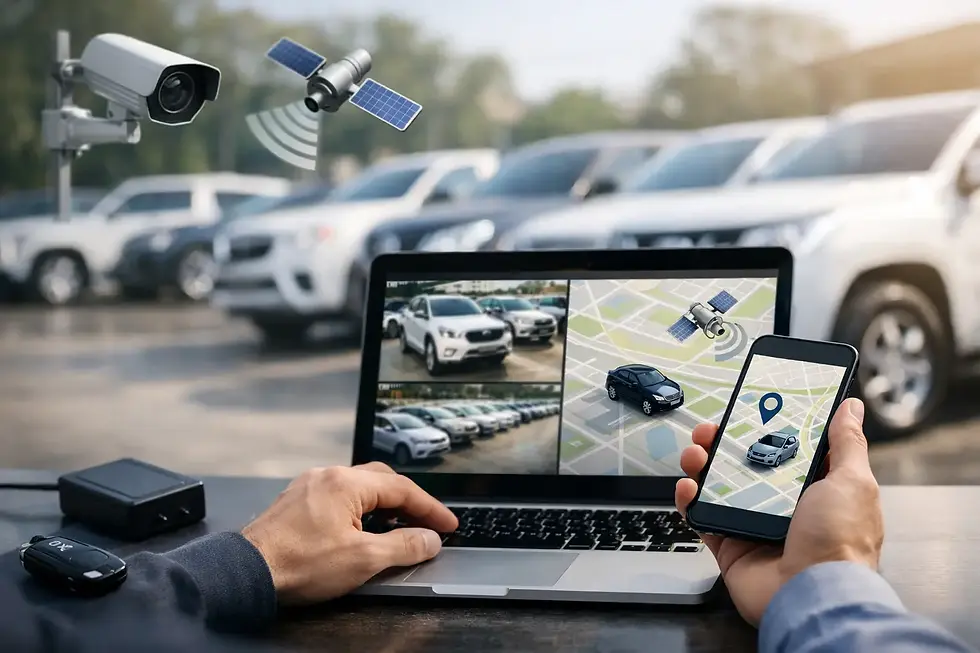
Dash camera integration can add valuable context when a location event or driving alert needs review. GPS data may show that a vehicle stopped suddenly or exceeded a speed threshold. A dash camera can help management understand whether the driver faced traffic, a road hazard, or another incident. This is particularly valuable for organizations that must investigate complaints, accidents, or delivery disputes.
Do not overlook alert quality. Too many notifications quickly become background noise. The best systems allow you to set alerts that match your operation, such as after-hours ignition, movement outside an approved zone, excessive idling, speeding, or fuel level change.
How to Choose the Right System for Your Vehicle
Start by defining the problem you need to solve. A private owner whose main concern is vehicle theft needs a different setup than a logistics manager responsible for twenty delivery vehicles. Buying a device without this step often leads to paying for reports that nobody uses or missing a security feature that was needed from the beginning.
Ask how quickly you need to know about unauthorized movement. Consider whether the vehicle operates after hours, travels outside Monrovia or across longer routes, carries valuable goods, or is assigned to multiple drivers. Then consider who needs access to the platform. A business owner may want high-level alerts, while an operations manager needs detailed route and driver reports.
Also consider service after installation. GPS hardware is not a one-time purchase if it is expected to protect a valuable vehicle or support daily fleet decisions. You need support for installation, configuration, platform access, device checks, and questions about reports. A local provider with experience in vehicle security can help ensure that the solution is properly matched to the vehicle and the operating environment.
Leading Secure Africa provides installation-backed GPS tracking, fleet management, fuel monitoring, ignition immobilizer, and dash camera solutions designed to keep vehicles visible, protected, and under control.
Common Mistakes to Avoid
The lowest-priced tracker is not always the lowest-cost option. A cheap device that loses connection, lacks meaningful alerts, or has no dependable support can leave an owner with false confidence. It may show a vehicle's last known location but provide little help when a real security incident occurs.
Another mistake is treating tracking as surveillance alone. The strongest results come from using data to improve operations: setting route expectations, reviewing idle time, checking fuel exceptions, and speaking with drivers using facts rather than assumptions. Clear internal policies are especially important for fleets. Drivers should understand that the system supports safety, accountability, and the protection of company assets.
Finally, do not wait for a theft, fuel loss, or delivery dispute to prove that visibility was needed. A well-configured tracking system is most valuable before an incident, when it helps prevent unauthorized use and gives you a clear record of normal vehicle activity.
Your vehicle is an investment, and every trip carries security and operating costs. Choose a tracking solution that gives you more than a dot on a map: choose one that helps you see what is happening, respond with confidence, and keep your vehicles safe and under your control.


Comments