
Real Time GPS Tracking for Better Vehicle Control
- leadingsecurafrica
- Jun 20
- 6 min read
A stolen vehicle rarely disappears without warning. More often, there were missed signs first - an unauthorized trip after hours, a route that changed without approval, or an engine that started when no one should have had access. Real time gps tracking gives you the visibility to catch those moments early, while they still matter.
For private vehicle owners, that visibility means knowing where your car is and whether it is being used properly. For fleet operators, it means seeing the full picture across multiple vehicles without waiting for end-of-day reports, driver calls, or assumptions. When movement, stops, idling, and alerts are visible as they happen, control improves immediately.
What real time gps tracking actually does
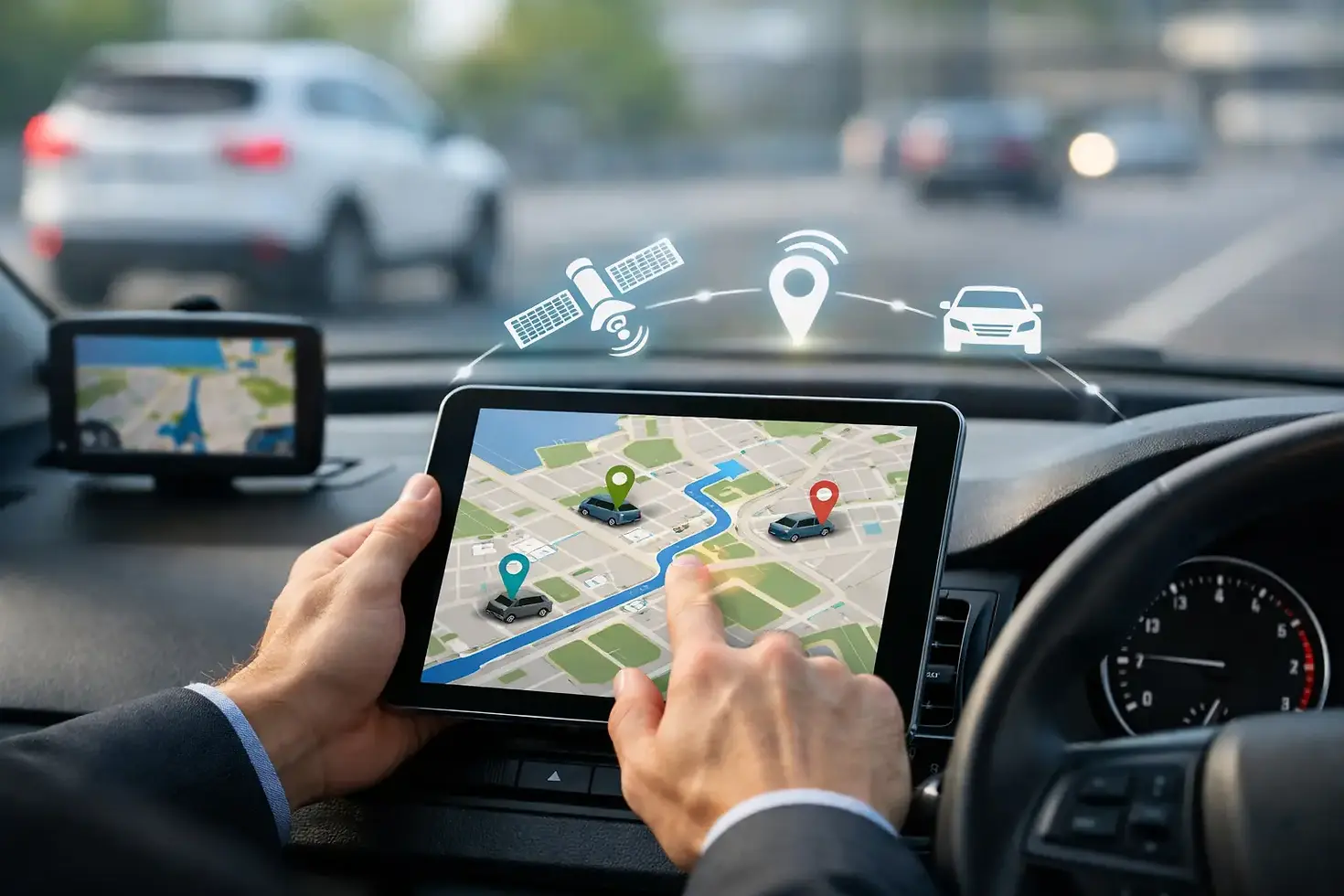
At its core, a GPS tracking system uses installed hardware to report a vehicle's location to a software platform. The "real time" part means that location updates, movement history, and activity alerts are delivered continuously or at frequent intervals rather than being reviewed long after the fact.
That difference matters more than many buyers expect. A basic location log can tell you where a vehicle was. Real time gps tracking tells you where it is now, where it is heading, whether it has stopped somewhere unusual, and whether a response is needed right away.
A strong system usually goes beyond the map view. It can show route playback, parked time, ignition status, speeding patterns, geofence activity, and in some cases fuel data or driver identification. For businesses, this turns tracking from a security feature into a daily management tool. For individual owners, it adds protection that is active, not passive.
Why real time gps tracking matters for security
Vehicle security is strongest when it shortens the gap between an event and your response. If a car is moved without permission at midnight, delayed awareness gives the thief distance and time. Immediate alerts and live visibility change that equation.
This is where real time gps tracking becomes practical protection, not just technology. You can verify whether a vehicle is still parked where it should be, confirm unauthorized movement, and support recovery efforts with current location data. If your system also includes ignition immobilizer functions or engine-disabling capability, response becomes even more controlled.
For families and individual owners, that can mean protecting a personal car, SUV, or work vehicle from theft and unauthorized borrowing. For businesses, it means reducing exposure across every vehicle in operation, including those parked overnight, assigned to drivers, or operating in different areas at the same time.
Security is also about access control. If only approved drivers should use a vehicle, tools such as driver identification or immobilizer pairing help enforce that policy. A tracking device alone can tell you where a vehicle went. A broader vehicle security setup can help determine who used it and whether the trip should have happened at all.
The business case for fleets
For a fleet manager, lost visibility often shows up as lost money. Fuel disappears gradually. Routes become inconsistent. Drivers take longer paths, idle too long, or use vehicles outside assigned schedules. None of these issues look dramatic on a single day, but over a month they affect operating costs, service reliability, and customer trust.
Real time gps tracking gives managers a live operational view instead of relying on driver updates or handwritten logs. You can check whether a delivery vehicle is on route, whether a service team reached a site, or whether a truck has remained idle longer than expected. This helps with dispatching, customer updates, and internal accountability.
The biggest advantage is that decisions improve while the workday is still in progress. If one driver is delayed, another vehicle may be reassigned. If a vehicle enters an unapproved zone, management can investigate immediately. If route patterns show repeated inefficiency, scheduling can be corrected before losses become routine.
That said, not every fleet needs the same level of oversight. A small business with three vehicles may focus on security, live location, and route history. A larger logistics operation may need dashboards, geofences, fuel monitoring, maintenance visibility, and driver behavior reporting. The right setup depends on the size of the operation, the value of the vehicles, and the risk of misuse or theft.
Real time GPS tracking and fuel control
Fuel is one of the hardest costs to manage when vehicle movement is not fully visible. A manager may know how much was purchased, but not whether fuel use matched distance traveled, idling time, route conditions, or unauthorized trips. That gap creates room for waste and, in some cases, direct loss.
Tracking data helps connect fuel use to actual vehicle behavior. If a vehicle takes longer routes than expected, spends too much time idling, or operates after hours, you have a clearer basis for investigation. When fuel monitoring is added to the system, oversight becomes even stronger because you can compare movement data with fuel trends and spot unusual patterns faster.
This does not mean every fuel issue is misconduct. Traffic, poor road conditions, mechanical problems, and workload changes can all affect consumption. But without reliable tracking, it is difficult to separate normal operating conditions from avoidable losses. Good data supports fair decisions as much as strict control.
Features that make the difference
Many buyers assume all tracking systems work the same way. They do not. Some only provide basic map visibility. Others are built to support security, driver control, and fleet efficiency together.
The most useful systems usually include live location updates, route playback, stop history, geofence alerts, ignition notifications, and dashboard reporting. For higher-risk vehicles or business fleets, it also makes sense to consider immobilizer integration, driver ID tools such as iButton access, dash cams, and fuel oversight.
Installation quality matters just as much as software features. If hardware is poorly installed, hidden badly, or disconnected easily, the value of the system drops fast. This is one reason many serious buyers prefer an installation-backed service rather than an off-the-shelf tracker with limited support.
After-sales support also deserves attention. A business may need help setting alert rules, reviewing reports, or adjusting access across multiple users. A private owner may need assistance after a battery issue, attempted tampering, or a phone change. Tracking is not only about the device. It is about dependable system performance over time.
What to consider before choosing a provider
The best provider is not simply the one with the longest feature list. It is the one that can match the system to your real risks and daily use.
If theft prevention is your main concern, ask how quickly location updates are delivered, what alerts are available, and whether immobilizer options are supported. If you manage a fleet, ask how the dashboard handles multiple vehicles, route review, user permissions, and reporting. If fuel control matters, ask what data can be monitored and how it is presented.
You should also think about who will use the system every day. A business owner may want summary visibility. An operations manager may need live dispatch information. A transport supervisor may focus on driver behavior and route compliance. Good tracking platforms are powerful, but they still need to be practical for the people making decisions.
In Liberia, where vehicle security and operational efficiency both carry serious weight, choosing a provider with local installation and support can be a practical advantage. When hardware, training, and service are available from one source, response tends to be faster and accountability clearer.
Why control matters as much as visibility
A map alone does not solve a security problem. Visibility is the first step, but control is what turns information into protection.
That is why the strongest vehicle security strategies combine real time gps tracking with action-based tools. Alerts help you notice a problem. Route history helps you understand it. Immobilizer systems, driver access control, and centralized dashboards help you respond with authority. For many owners and fleet operators, that combination is what changes tracking from a nice feature into an essential one.
Leading Secure Africa builds around that principle by treating tracking as part of a wider vehicle control system, not a standalone gadget. That approach makes sense for both single-vehicle owners and organizations managing multiple units under pressure to reduce risk and improve oversight.
When you can see vehicle activity as it happens, verify who is using the vehicle, review routes with confidence, and respond quickly to unusual movement, you protect more than an asset. You protect your time, your operating budget, and your ability to stay in charge when it matters most.


Comments