
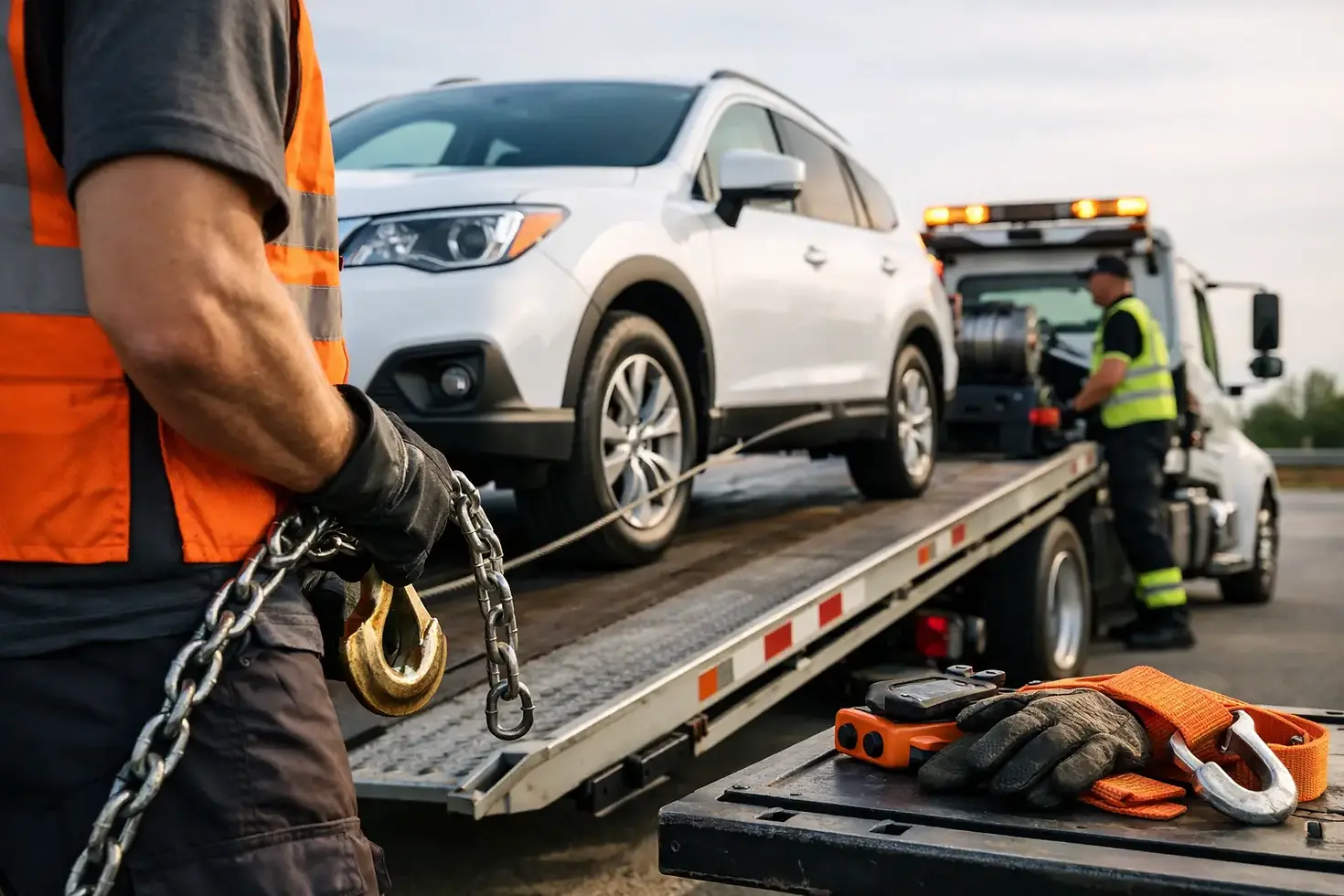
Vehicle Recovery Solutions That Work
A stolen vehicle is not only a security problem. It is a business interruption, a financial loss, and in many cases a failure of visibility before the theft even happens. That is why vehicle recovery solutions matter most before a vehicle goes missing, not after. The strongest systems reduce the chance of theft, shorten recovery time, and give owners or fleet managers real control over what is happening on the road.
For private vehicle owners, recovery is about protecting an expensive asset and reducing panic when something goes wrong. For fleet operators, the stakes are even higher. One missing vehicle can affect deliveries, driver accountability, customer service, and operating costs. A recovery strategy needs to do more than show a dot on a map. It needs to support fast action, reliable monitoring, and clear evidence.
What vehicle recovery solutions actually include
When people hear the phrase vehicle recovery solutions, they often think only about GPS location. Tracking is a major part of recovery, but it is only one layer. A complete recovery approach combines live tracking, movement alerts, driver identification, immobilizer controls, and historical trip data. These tools work together to help you know where a vehicle is, who used it, when it moved, and whether intervention is possible.
This matters because theft does not always look dramatic. In some cases, a vehicle is taken by force. In others, it is used without authorization by someone who had temporary access to keys, driver credentials, or parking access. In fleet environments, misuse can be just as costly as outright theft. A recovery system should help you respond to both.
GPS tracking is the recovery foundation
Real-time GPS tracking gives you current vehicle location, route history, stop points, and movement patterns. If a vehicle is stolen, this allows you to identify the last known location quickly and monitor whether it is still moving. For fleet managers, route playback also helps confirm whether the vehicle was operating normally before the incident or if there were unusual detours, unauthorized stops, or after-hours activity.
The benefit is speed. Recovery chances are typically better when location data is available immediately. Waiting to investigate manually wastes time and increases the chance that a vehicle will be hidden, stripped, or moved across a wider area.
Alerts turn tracking into action
Tracking data becomes far more useful when it triggers alerts. Ignition alerts, geofence alerts, power disconnection alerts, and movement notifications can tell you that something is wrong before a driver or owner notices the vehicle is missing.
That early warning is one of the biggest differences between a basic tracking device and a serious recovery setup. If a vehicle leaves a defined zone after business hours, or if the unit loses power unexpectedly, that signal gives you time to check the situation and respond.
Immobilization adds a layer of control
An immobilizer system can prevent unauthorized vehicle use or support recovery procedures, depending on the configuration and operating policy. In security-focused setups, driver access can be limited through tools such as iButton identification, which means the vehicle cannot be used unless an authorized person is present.
This is where prevention and recovery overlap. If a thief or unauthorized user cannot start the vehicle easily, the event may end before it becomes a full recovery case. For businesses, this also improves accountability. You are not only reacting to incidents. You are reducing the number of incidents that can happen.
Why basic recovery tools often fall short
Not every tracking device provides meaningful protection. Some low-cost systems show location but offer limited update frequency, weak alert settings, poor support, or no integration with immobilization and driver control tools. That can leave vehicle owners with incomplete information at the exact moment they need reliable action.
The trade-off usually comes down to cost versus control. A cheaper device may seem acceptable for simple visibility, but recovery is a high-pressure situation. When a vehicle disappears, you need equipment that reports accurately, a platform that is easy to use, and support that helps you respond without delay.
For fleet operations, another limitation is fragmentation. If tracking, fuel monitoring, dash cam footage, and driver access are all managed separately, response becomes slower and less coordinated. A connected system gives decision-makers a clearer picture and reduces guesswork.
Choosing vehicle recovery solutions for one vehicle or a fleet
The right setup depends on how the vehicle is used, who has access to it, and how much risk the owner is carrying. A private car owner may care most about theft prevention, live location, and engine immobilization. A transport company will also need route oversight, driver behavior visibility, and reporting that supports management decisions.
Individual owners usually want confidence that their vehicle can be located quickly and protected from unauthorized use. In that case, the best solution is often a combination of GPS tracking, instant movement or ignition alerts, and a reliable immobilizer. Simplicity matters here. If the platform is difficult to understand, people tend to stop using it until an emergency happens.
For commercial fleets
Fleet recovery requires more structure. Managers need to know not only where a vehicle is, but also which driver had it, whether the trip was approved, whether fuel usage aligns with the route, and whether the vehicle showed warning signs before it disappeared. In this environment, recovery technology should support operations, not sit apart from them.
That is why fleet-focused vehicle recovery solutions often include route analysis, dashboard monitoring, trip history, and access control. If one unit leaves its assigned corridor or starts moving at an unusual time, supervisors can act immediately instead of finding out later.
The value of visibility before and after an incident
The best recovery systems create a record, not just a live location. Historical route playback, stop duration reports, and ignition event logs help establish what happened before an incident. This supports investigations, internal reviews, and faster coordination with security teams.
After recovery, the same data helps prevent repeat losses. You may discover that theft happened during a shift change, from an unsecured parking area, or through misuse of driver access. Without data, those patterns remain hidden.
This is one reason businesses gain so much from integrated vehicle technology. Recovery is not a single event. It is part of a wider control strategy that improves security, efficiency, and accountability over time.
Installation and support matter more than most buyers expect
A recovery system is only as dependable as its installation quality and ongoing support. Poorly installed hardware can fail quietly. Weak wiring, bad device placement, or inconsistent configuration can lead to false alerts or missing data. That is a serious risk when you are relying on the system during a theft event.
Professional installation reduces those gaps. It also ensures that settings such as geofences, alert thresholds, and immobilizer permissions are tailored to how the vehicle actually operates. For fleets, this becomes even more important because each vehicle may serve a different route, schedule, or security profile.
Support matters for another reason. When an incident happens, people do not want to troubleshoot software. They want to confirm location, verify access history, and make decisions quickly. A solutions provider should make that process clear and usable.
What to ask before investing
Before choosing a system, ask practical questions. How quickly does location data update? What happens if power is disconnected? Can you receive alerts for unauthorized ignition or movement? Is there driver identification? Can the system support immobilization? Can you view route history and exceptions from one dashboard?
These questions help separate basic monitoring from real protection. They also keep the conversation focused on outcomes: vehicle safety, faster response, stronger oversight, and lower loss exposure.
For businesses in Liberia where vehicle security and operational control directly affect revenue, integrated recovery technology can provide an immediate advantage. One properly managed platform can help reduce theft risk, improve driver accountability, and strengthen day-to-day fleet discipline.
A good recovery solution does not wait for a theft to prove its value. It helps you spot risk earlier, respond faster, and keep your vehicles under your control when it matters most.


Comments