
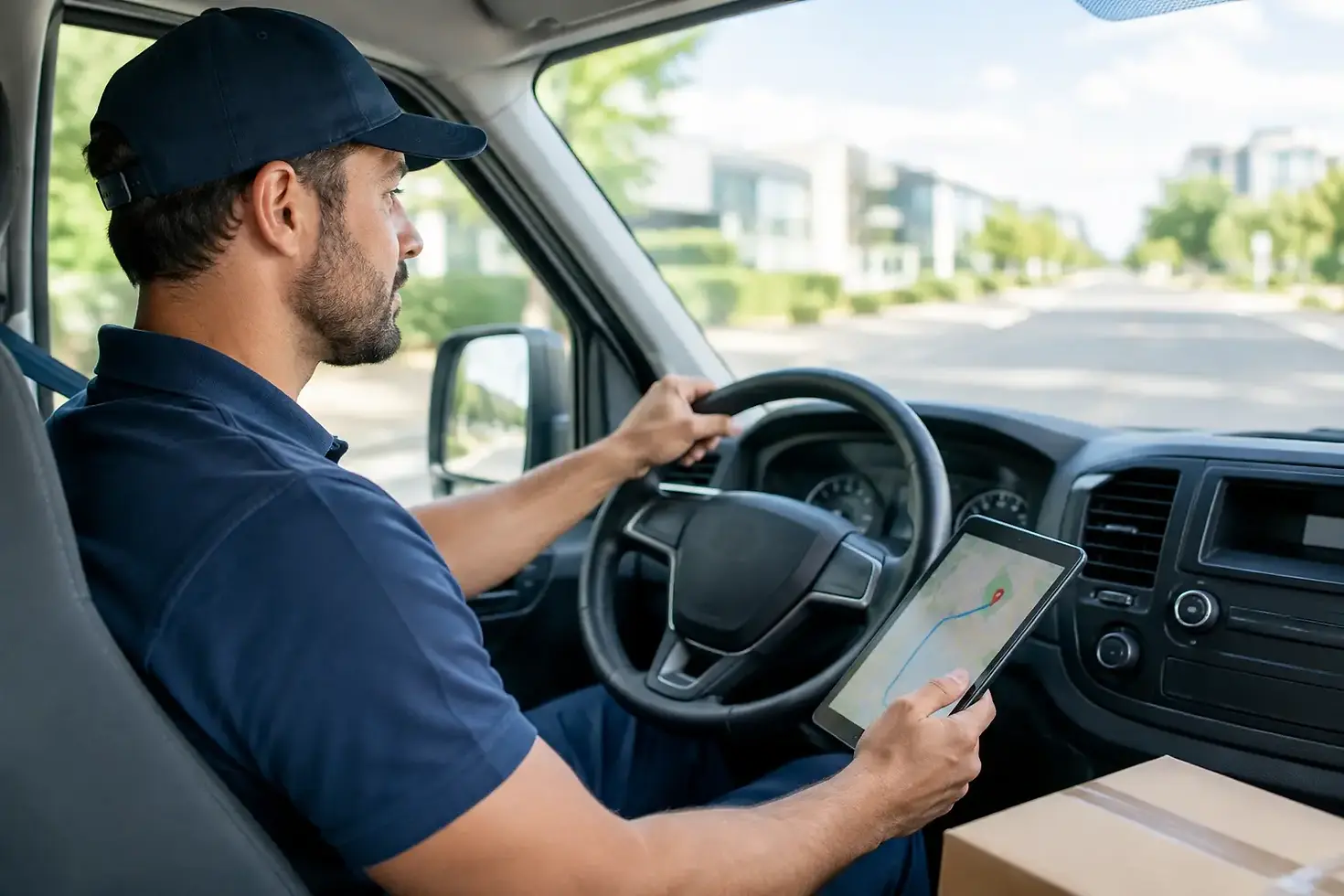
How to Reduce Delivery Route Deviations Safely
A delivery vehicle that leaves its assigned route is not automatically a problem. The driver may be avoiding a blocked road, finding fuel, responding to a customer change, or addressing a mechanical issue. The real risk begins when management cannot see the reason, timing, or duration of the change. To reduce delivery route deviations, fleet operators need clear route standards, real-time visibility, and a fair process for managing exceptions.
For businesses delivering goods, moving staff, supporting field projects, or serving customers across Liberia, route discipline protects more than fuel. It protects delivery schedules, customer trust, driver safety, vehicle security, and the company’s ability to account for every trip.
Why route deviations create operational risk
A single unplanned detour can add only a few kilometers. Repeated across several vehicles and several days, those extra kilometers become unnecessary fuel use, late deliveries, increased wear, and more difficult maintenance planning. If a vehicle is carrying valuable stock, equipment, or sensitive materials, an unexplained stop or route change can also create a security concern.
Route deviations can expose weak controls in other areas. A driver who uses a vehicle after hours may also make unauthorized stops. A dispatcher who cannot see vehicle movement may not recognize a delayed delivery until a customer calls. Fuel consumption can appear unusually high without an obvious cause because the planned route and the actual route were never compared.
Still, an effective fleet program does not treat every deviation as misconduct. Road conditions, traffic, weather, local access restrictions, and customer instructions can require drivers to make sound decisions in the field. The goal is not to remove driver judgment. It is to ensure that route changes are visible, explainable, and approved when necessary.
Build a route plan drivers can actually follow
A route policy only works when it reflects the conditions drivers face. Before assigning routes, confirm delivery locations, expected travel times, approved rest or fuel stops, vehicle restrictions, and any areas that should be avoided for safety or security reasons. A route that looks efficient on paper but ignores a poor road, congestion point, or access limitation will encourage workarounds from the start.
Give drivers a route plan with practical expectations. They should know the starting point, delivery sequence, expected arrival window, authorized stops, and the person to contact if a change is needed. For recurring deliveries, use the same route reference and review it when operating conditions change. Consistency makes unusual activity easier to identify.
It also helps to define what counts as a deviation. A fleet manager may classify events in four simple categories:
Approved operational changes, such as a customer-requested delivery address adjustment.
Safety-related detours caused by road hazards, traffic disruption, or access restrictions.
Minor route variations that do not affect delivery time or security.
Unapproved diversions, extended stops, or after-hours movement requiring investigation.
This distinction keeps supervisors from wasting time on acceptable changes while ensuring high-risk events receive prompt attention.
Use GPS tracking to reduce delivery route deviations
GPS tracking gives fleet managers the evidence needed to manage routes rather than guess about them. Through a live fleet dashboard, dispatchers can see where a vehicle is, whether it is moving, how long it has stopped, and whether it is traveling outside the expected delivery area. Route playback provides a complete record after the trip, making it possible to compare planned movement with actual movement.
The value is not simply seeing a dot on a map. It is using that information to take action at the right time. If a vehicle leaves an approved corridor, a route alert can notify the responsible supervisor. The supervisor can then contact the driver, confirm the reason for the change, and document the exception before it becomes a missed delivery or security incident.
Geofences make this control more precise. A geofence is a virtual boundary placed around a warehouse, customer site, approved fuel station, work zone, or restricted area. Alerts can be set for vehicle entry, exit, or extended time at a location. For delivery operations, this helps confirm dispatch, arrival, loading, unloading, and return without relying only on manual phone calls.
Not every fleet needs the same alert settings. A high-value delivery vehicle may require immediate notifications for route departures and unauthorized stops. A service vehicle working across several sites may need broader zones and a review of daily route history instead. Too many alerts can cause supervisors to ignore them, so start with events that require a response.
Connect route control to driver accountability
Technology works best when every trip has an identified driver. Driver identification tools, including iButton systems, can link a vehicle journey to the person operating it. This strengthens accountability when vehicles are shared across shifts or used by multiple teams.
Set expectations before the vehicle moves. Drivers should understand that GPS tracking is used to protect the vehicle, support safer operations, verify delivery activity, and resolve disputes with accurate records. They should also know how to request a route change and whom to call when a genuine operational issue occurs.
The most effective conversations use facts, not assumptions. If route playback shows an extended stop outside an approved area, ask the driver what happened and compare the explanation with the trip record. There may be a valid reason. If similar unexplained events continue, management has the documentation needed to coach, retrain, or apply the company’s disciplinary process fairly.
Dashcam solutions can provide added context where route deviations involve safety concerns, collisions, disputed deliveries, or hazardous driving behavior. GPS answers where and when. Video can help clarify what occurred. These tools should support clear policy, responsible supervision, and driver safety rather than create a culture of surprise monitoring.
Monitor exceptions while the delivery is still recoverable
A route deviation matters most when it threatens the next decision. If a driver is heading away from a delivery point, waiting until the end of the week to review the trip may be too late. Real-time monitoring allows the dispatcher to check in, redirect the vehicle if appropriate, inform the customer of a delay, or send support when a vehicle has a problem.
Create a simple exception process. The driver reports the issue, the supervisor confirms the response, and the change is recorded. For recurring problems, review whether the route plan needs adjustment. A deviation pattern may reveal an unrealistic schedule, an unsafe road section, a customer-site access issue, or a driver who needs additional guidance.
Fuel reporting should be reviewed alongside route activity. Extra distance, repeated idling, and unauthorized trips can all raise operating costs. When GPS mileage, stop history, and fuel records are examined together, fleet managers can distinguish a legitimate route challenge from inefficient or suspicious use.
Measure the right route performance indicators
Do not judge route discipline only by the number of alerts. A driver who reports a necessary detour promptly should not be treated the same as a driver who repeatedly makes unapproved stops. Track trends that show whether your controls are improving operations.
Useful measures include the percentage of trips completed within approved route boundaries, average deviation distance, number of unexplained stops, on-time delivery performance, fuel use per route, and the time required to resolve an alert. Review these figures by vehicle, route type, and operating team. A single number can hide the real cause of the problem.
Use the results to improve planning, not merely to identify faults. If several drivers depart from the same route at the same location, investigate the route. If one vehicle consistently uses more fuel on comparable trips, inspect both vehicle condition and driving behavior. The objective is reliable delivery performance with fewer surprises.
Put route controls in place without disrupting operations
Start with a small group of delivery vehicles or one high-priority route. Define the approved route, establish geofences, select a limited set of alerts, and train the drivers and supervisors who will use the process. Review the first few weeks closely, then adjust alert sensitivity and route boundaries based on actual operating conditions.
Leading Secure Africa can support this process with GPS tracking, fleet monitoring, driver identification, dashcam, and fuel management solutions designed to keep vehicles visible and under your control. Professional installation and practical reporting matter because a tracking system only delivers value when your team can use the information confidently.
A controlled delivery route should never leave a driver stranded without flexibility. Give drivers a clear way to report real problems, give supervisors the information to respond quickly, and use every completed trip to improve the next one. That is how route discipline becomes a daily protection for your vehicles, your customers, and your business.


Comments