
How Fleet Management System Works
- leadingsecurafrica
- Jun 14
- 6 min read
If a driver takes an unauthorized route, a vehicle idles for hours, or fuel usage suddenly jumps, the cost shows up fast. That is exactly why many operators ask how fleet management system works before they invest in one. They do not want software for its own sake. They want control, proof, and faster decisions.
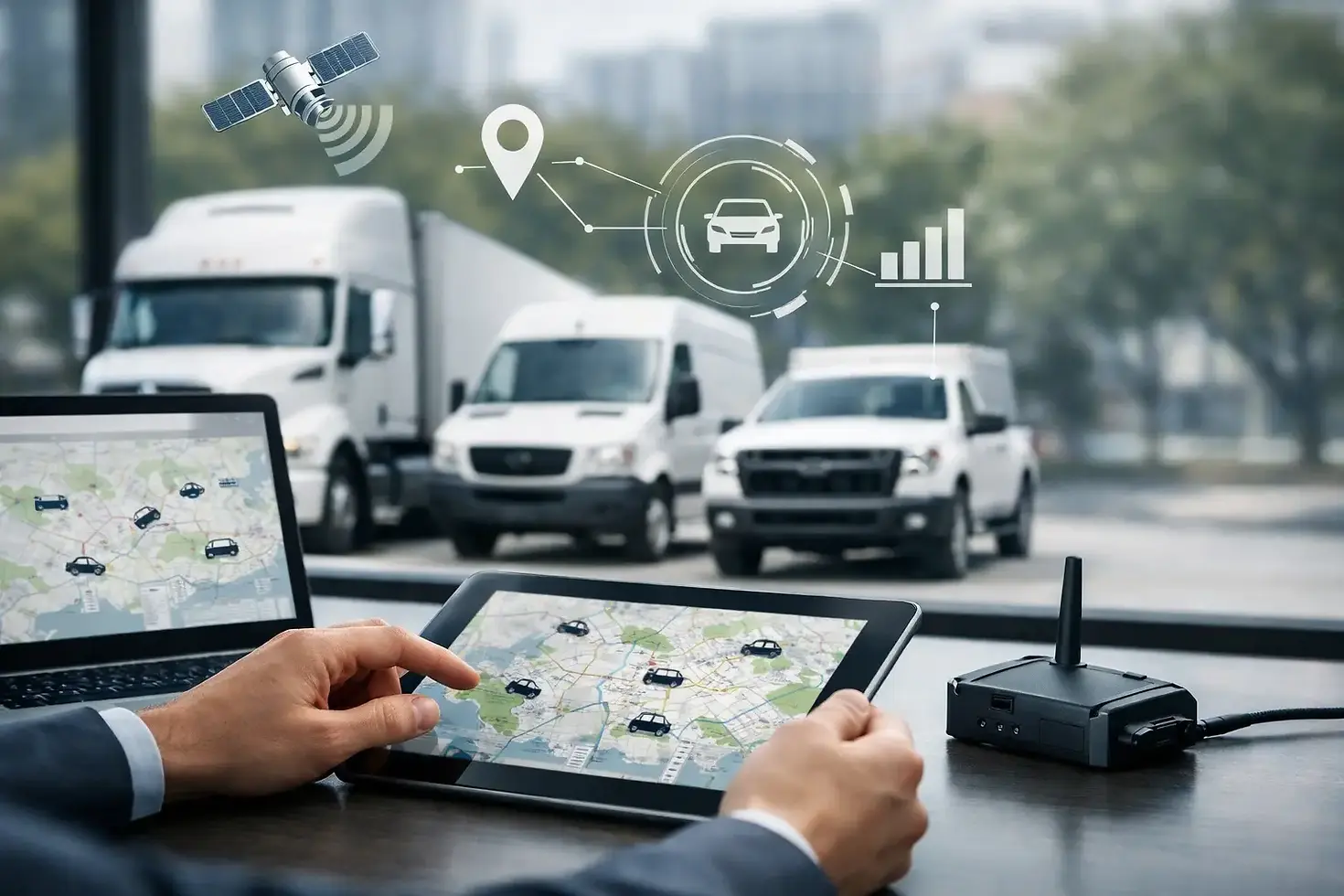
A fleet management system works by collecting data from vehicles in real time, sending that data to a central platform, and turning it into useful visibility for the people responsible for security, operations, and cost control. In practical terms, it connects what is happening on the road to what you can see and act on from your dashboard.
How fleet management system works in real conditions
At the center of the system is a tracking device installed inside each vehicle. That device uses GPS to determine location, speed, direction, and movement patterns. It also relies on a mobile data connection to send that information to a software platform where fleet managers, business owners, or vehicle owners can monitor activity live.
That is the basic model, but a working fleet system goes beyond a map with moving icons. The installed hardware can also connect to the ignition, fuel sensors, immobilizer systems, driver identification tools, and in some setups, dash cams. Once those inputs are combined, the platform begins to show a much more complete picture of how each vehicle is being used.
For example, instead of only seeing that a truck moved from one town to another, you can also see when the engine was switched on, whether the stop was planned, how long it idled, whether the route changed unexpectedly, and whether fuel levels dropped in a way that suggests waste or theft. This is where fleet management becomes a control system, not just a tracking tool.
The key parts of a fleet management system
A reliable system usually has three working layers. The first is the hardware installed in the vehicle. This can include the GPS tracker, fuel sensor, immobilizer, panic alerts, and driver access controls such as an iButton or other identification method. Without good hardware installation, the data quality suffers, and so does trust in the system.
The second layer is connectivity. The device needs to transmit data consistently. If the signal is weak or the configuration is poor, live monitoring becomes delayed or incomplete. In some environments, especially where vehicles move through mixed urban and rural coverage areas, this part matters more than many buyers expect.
The third layer is the software dashboard. This is where raw data becomes useful. A good dashboard organizes location history, trip records, alerts, route playback, geofences, driver events, fuel reports, and maintenance reminders into one place. If the dashboard is confusing, users stop checking it. If it is clear and action-oriented, it becomes part of daily operations.
What happens inside the vehicle
The system starts working the moment the installed device detects vehicle activity. If the ignition turns on, the tracker records the event. Once the vehicle starts moving, GPS coordinates are logged at intervals and transmitted to the platform. The platform then updates the vehicle status so you can see whether it is parked, moving, idling, offline, or outside an approved zone.
If additional sensors are installed, more events are captured automatically. A fuel monitoring setup can detect refueling patterns, unusual drops, or abnormal consumption trends. An immobilizer can control who is allowed to start the vehicle or allow remote disabling under defined security procedures. A dash cam can add visual context to incidents such as harsh braking, impact, or route disputes.
This matters because fleet problems are rarely caused by one issue alone. A late delivery might involve route deviation, speeding, extended stops, and poor dispatch visibility. A fleet management system helps connect those signals so the cause is easier to identify.
How the dashboard supports day-to-day control
The dashboard is where managers move from observation to action. Live maps help dispatch teams know where vehicles are right now. Trip history and route playback help confirm whether a job was completed as assigned. Geofence alerts notify users when a vehicle enters or leaves a defined area such as a warehouse, customer site, depot, or restricted zone.
Driver behavior monitoring adds another layer of accountability. Speeding, harsh acceleration, hard braking, and excessive idling can all be flagged. This does not only protect the vehicle. It also helps lower fuel waste, reduce wear, and improve safety. For businesses operating multiple vehicles, these patterns are often more valuable than the location data itself.
Good systems also support exception-based management. That means you do not have to watch a screen all day. Instead, the platform sends alerts when something falls outside normal rules. A vehicle moving after hours, an ignition event during a restricted period, a fuel drop at an unusual location, or a route breach can trigger immediate attention.
Why security features matter
Many people think of fleet management as an operations tool first, but for many owners and transport operators, security is the real starting point. If a vehicle is stolen, misused, or accessed by the wrong person, location history alone may not be enough. That is why integrated security features are so valuable.
An ignition immobilizer helps control vehicle access. Driver identification tools help confirm who operated the vehicle. Tamper alerts can signal interference with the installed device. In higher-risk cases, the ability to disable engine activity under controlled conditions adds another level of protection for the asset.
This is especially important when the vehicle itself represents a major investment or a direct source of daily income. A system that protects the vehicle while also improving oversight gives stronger value than a tracker that only shows movement.
The role of fuel monitoring and cost control
Fuel is one of the biggest operating costs in any fleet, and it is often one of the least visible without proper monitoring. A fleet management system can compare fuel use against distance, time, route conditions, and idling behavior. That creates a more accurate picture than fuel receipts alone.
In some fleets, the issue is not theft but inefficiency. Drivers may idle too long, take longer routes, or use vehicles outside approved schedules. In other cases, sudden drops in fuel level or refueling patterns may suggest losses that would otherwise go unnoticed. The right setup helps you separate normal consumption from suspicious activity.
There is a trade-off here. Basic tracking can improve route visibility at a lower entry cost, but businesses that struggle with fuel losses usually need sensors and reporting tools that go deeper. The best choice depends on whether your main concern is security, dispatch control, fuel accountability, or all three.
What businesses should expect after installation
A fleet management system does not solve problems on day one simply because the hardware is installed. The real value comes when the system is configured around actual operating rules. That includes setting geofences, defining working hours, assigning user permissions, setting alert thresholds, and deciding which reports matter most.
Training also matters. If managers do not know how to review route playback, investigate alerts, or compare vehicle performance, the system becomes underused. If drivers do not understand that vehicle activity is being monitored, accountability remains weak. The strongest results come when the technology is matched with clear policies.
For some businesses, the biggest win is theft prevention. For others, it is route discipline, customer service, or fuel control. A delivery company may focus on dispatch visibility. A construction business may care more about off-hours movement. A private owner may simply want live tracking and ignition protection. The system works across these cases, but the setup should reflect the real risk.
How fleet management system works best for growing operations
As a fleet grows, manual oversight breaks down quickly. Phone calls replace facts, driver reports become harder to verify, and small losses add up. That is where a centralized system becomes essential. It gives one view of all vehicles, not scattered updates from different people.
This is also why installation quality and support matter as much as software features. A system is only as useful as the data it captures and the confidence users have in it. Providers such as Leading Secure Africa focus on combining installed hardware, monitoring visibility, and support because fleet control depends on the full setup working together.
The goal is not to watch vehicles for the sake of watching them. The goal is to protect your investment, reduce unnecessary losses, and make better decisions with evidence instead of guesswork. When that happens, fleet management becomes part of daily control, not just another tool on the side.
If you are evaluating a system, start with the problems that cost you the most right now. The right fleet setup should help you see them clearly, respond faster, and keep every vehicle more secure and under your control.


Comments